

From Bonn to Dhaka: Building Climate Action Through Partnership, Dialogue and Cinema
By Ashraful Alam and Fatema Jumki
As climate change continues to reshape lives, economies, and ecosystems across the globe, the need for collective action has never been more urgent. For countries like Bangladesh—one of the world’s most climate-vulnerable nations—the challenge is not only environmental but also social, economic, and cultural. Addressing this challenge requires collaboration across sectors, borders, and communities.
In recent months, several important initiatives have demonstrated how partnerships, policy dialogue, and creative storytelling can work together to advance climate action. Among these are the promotion of the Public-Private Community Civil Society and Academia Partnership (PPCCAP) framework, engagement with international climate discussions, including the Bonn Climate Talks, and the successful organization of the Global Trend Climate Change Film Festival (GTCF) 2026.
Strengthening Climate Action Through PPCCAP
Climate change is too complex to be addressed by governments alone. Effective solutions require the active participation of the private sector, local communities, civil society organizations, educational institutions, and development partners. The Public-Private Community Civil Society and Academia Partnership (PPCCAP) model provides a practical framework for fostering such collaboration.
PPCCAP promotes knowledge sharing, innovation, research, community engagement, and policy advocacy. By bringing together diverse stakeholders, the model encourages locally driven climate solutions while ensuring that scientific knowledge, business innovation, and community experience contribute to national climate resilience.
The growing interest in PPCCAP reflects an important recognition: sustainable climate action depends on partnerships that connect policy with practice and global commitments with local realities.
The Significance of the Bonn Climate Talks
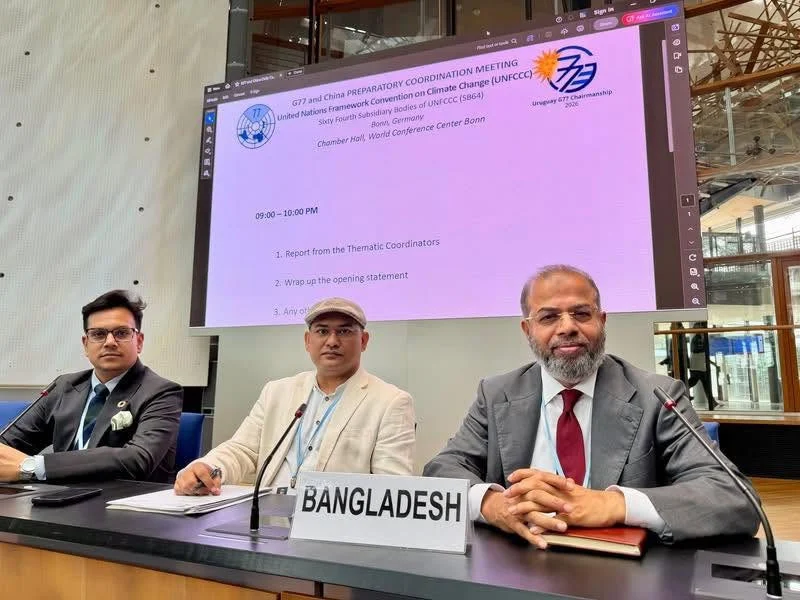
The annual Bonn Climate Talks serve as a critical milestone in the global climate negotiation process. They provide governments, researchers, civil society organizations, and climate practitioners with an opportunity to advance discussions on adaptation, mitigation, climate finance, and loss and damage ahead of the United Nations Climate Change Conference (COP).
For Bangladesh and other climate-vulnerable nations, the Bonn process is particularly important. It provides a platform to highlight frontline experiences, advocate for climate justice, and seek stronger international commitments to support adaptation and resilience-building efforts.
The discussions taking place in Bonn remind us that climate action is not solely about emissions targets. It is also about protecting communities, supporting vulnerable populations, and ensuring that those most affected by climate change have a voice in shaping global solutions.
Cinema as a Catalyst for Climate Awareness
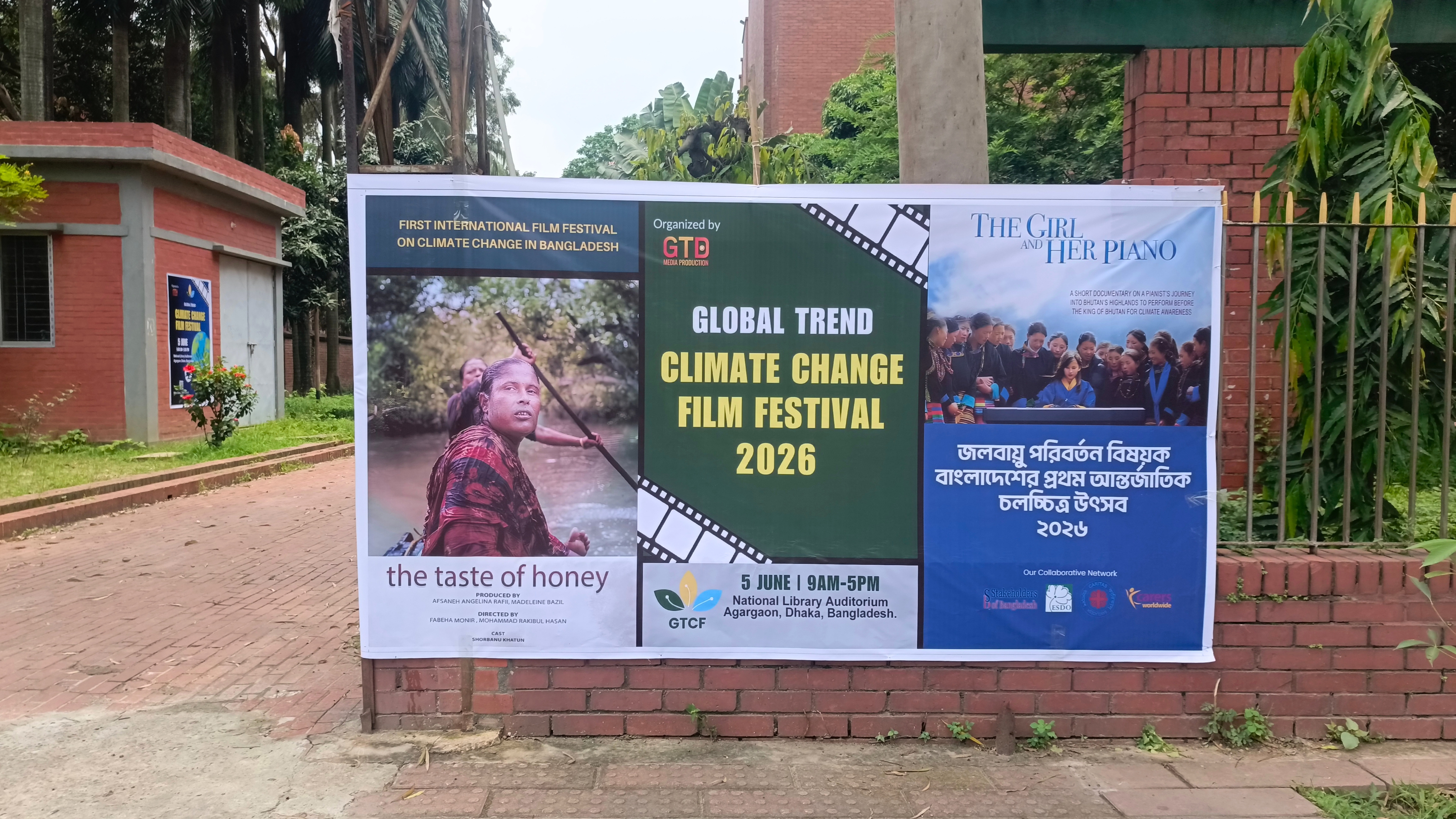
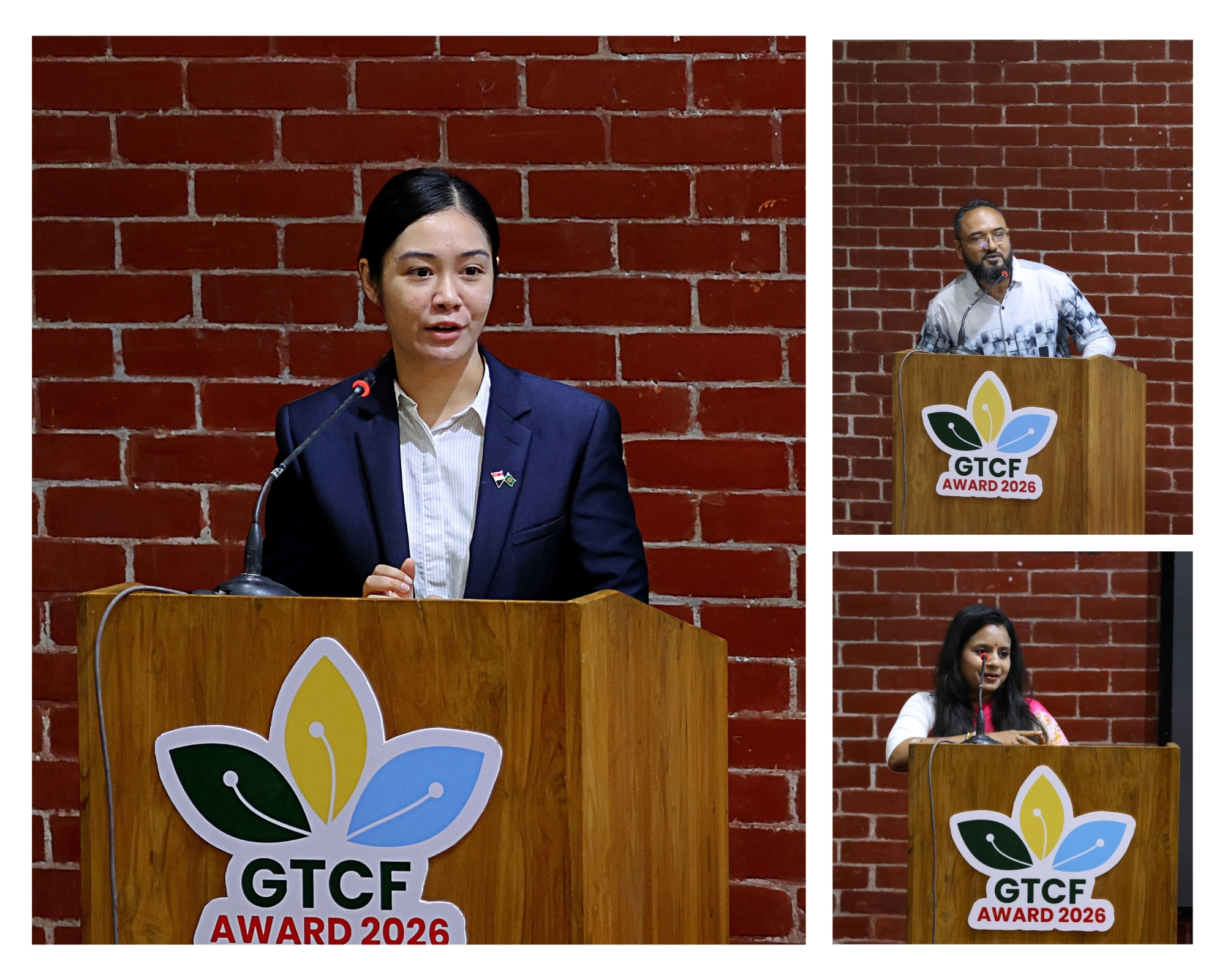
While policy discussions are essential, public awareness and behavioral change are equally important. This belief inspired the launch of the Global Trend Climate Change Film Festival (GTCF) 2026, held on 5 June 2026, World Environment Day, at the National Library Auditorium in Dhaka.
Organized by GTD Media Production, GTCF 2026 became Bangladesh’s first international film festival dedicated exclusively to climate change and environmental sustainability. The festival brought together filmmakers, researchers, diplomats, development practitioners, media professionals, academics, students, and youth leaders from Bangladesh and abroad.
Selected films from multiple countries explored themes including climate resilience, environmental conservation, sustainable development, community adaptation, and climate justice. The festival also featured panel discussions, networking sessions, and recognition of outstanding contributions to climate storytelling through cinema.
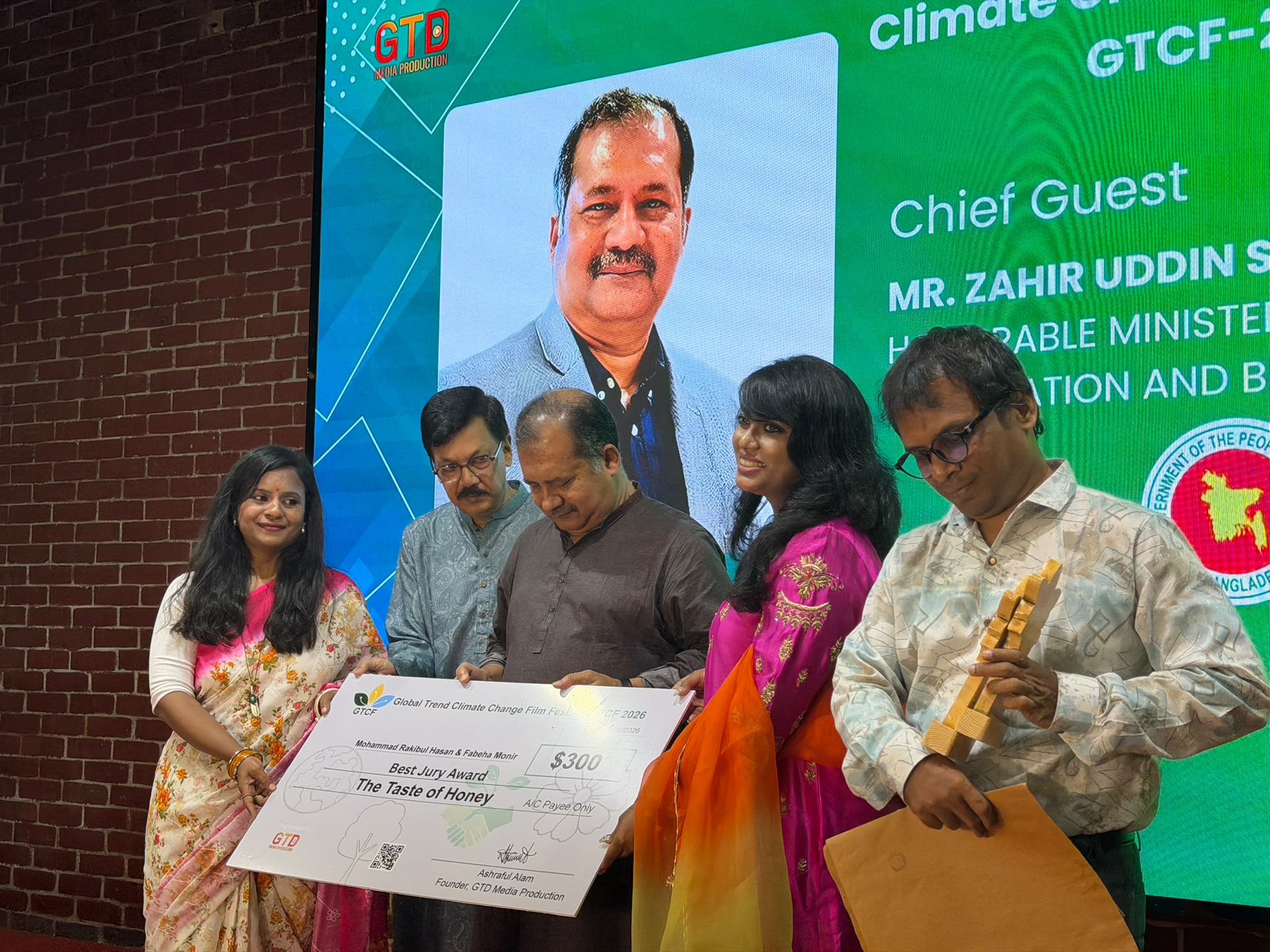
The highest honor of the festival, the Best Jury Award, was presented to the Bangladeshi film “The Taste of Honey,” directed by Mohammad Rakibul Hasan and Fabeha Monir. International participation further highlighted the growing global interest in using film as a medium for climate communication.
Climate Communication for a Sustainable Future
Climate change is not merely a scientific issue; it is a human story. The experiences of displaced families, resilient communities, young innovators, and environmental advocates deserve to be heard. Effective climate communication can transform complex scientific concepts into relatable narratives that inspire understanding and action.
Bangladesh’s Emerging Climate Leadership
As Bangladesh advances its climate agenda, the leadership of Prime Minister Tarique Rahman has brought renewed focus to environmental sustainability, climate resilience, and nature-based solutions. The government’s commitment to large-scale tree plantation, canal restoration, environmental protection, climate adaptation, and sustainable development reflects a growing recognition that climate action must remain central to the nation’s future development pathway.
Bangladesh has increasingly positioned itself as a proactive voice among climate-vulnerable nations, advocating for climate justice, enhanced adaptation support, and equitable access to climate finance. This commitment has been reflected through active engagement in international climate negotiations and strategic partnerships aimed at strengthening resilience and sustainable development.
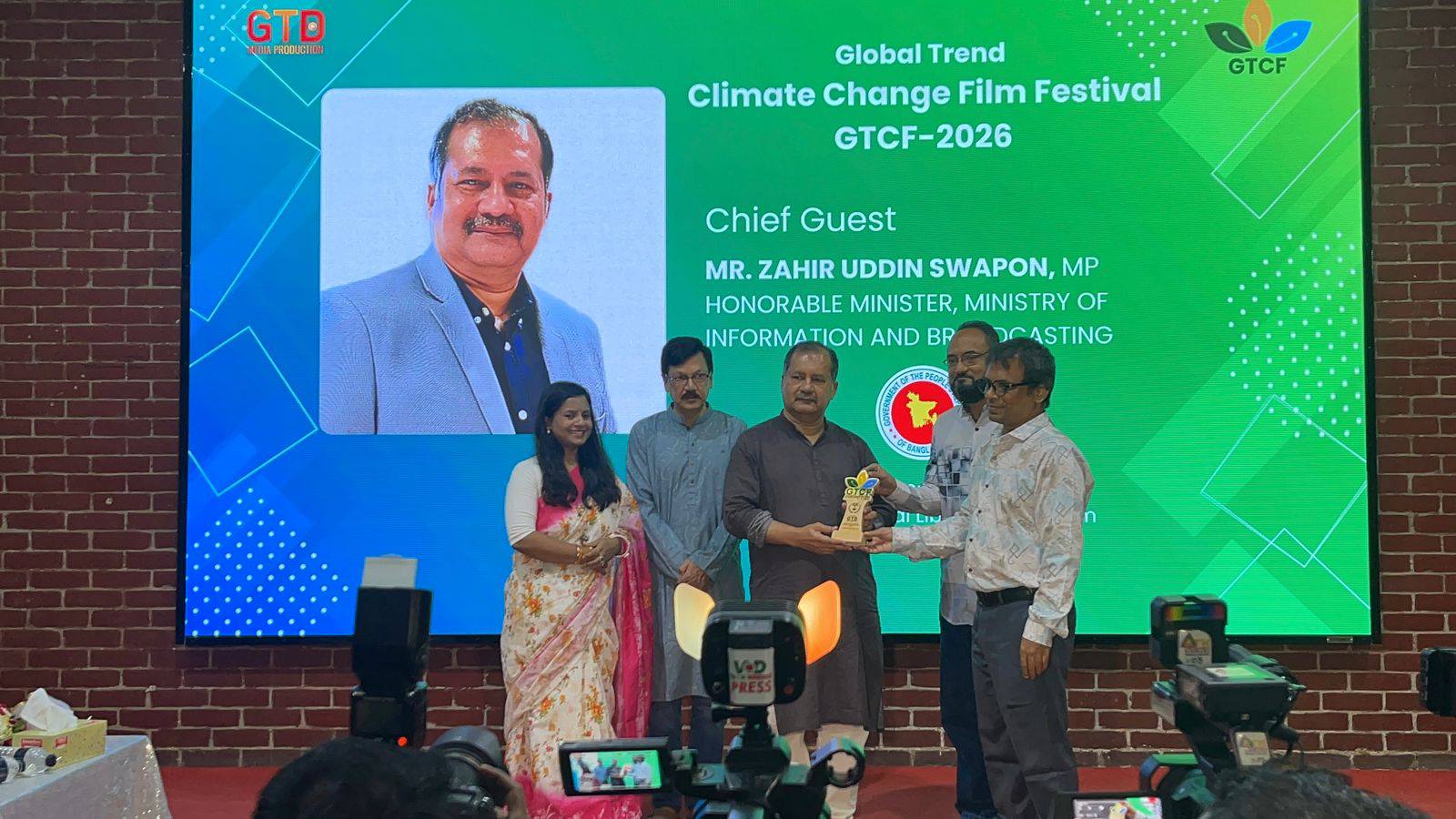
The Ministry of Information and Broadcasting has also played an important role in strengthening climate communication and public engagement. Under the leadership of Information and Broadcasting Minister Zahir Uddin Swapon, increasing emphasis has been placed on the role of media, public awareness, and citizen participation in addressing climate change and promoting sustainable development.
Recognizing that climate action requires informed and engaged citizens, the Ministry has encouraged greater involvement of television, radio, print, digital media, filmmakers, and communication professionals in disseminating climate information and highlighting local solutions. Such efforts contribute to bridging the gap between policy discussions and public understanding, ensuring that climate issues remain visible within the national development discourse.
The growing recognition of climate communication as a strategic tool aligns closely with initiatives such as the Global Trend Climate Change Film Festival (GTCF), which uses storytelling and cinema to inspire awareness, dialogue, and action. Through collaboration between government institutions, media organizations, creative industries, and civil society, Bangladesh is strengthening its capacity to communicate climate challenges and solutions to diverse audiences across the country.
At the Bonn Climate Talks, Bangladesh’s participation demonstrated the country’s determination to contribute constructively to global climate discussions. The engagement of Dr. Md. Saimum Parvez, Climate Adviser to the Prime Minister, further reinforced Bangladesh’s commitment to promoting climate resilience, international cooperation, and practical solutions for vulnerable communities facing the impacts of climate change.
The growing alignment between national leadership, policy innovation, community engagement, research institutions, civil society, and climate communication initiatives presents a significant opportunity for Bangladesh to further strengthen its role in global climate action. By connecting policy, partnerships, research, and public awareness, the country is demonstrating that effective climate action requires both visionary leadership and collective participation.
Conclusion
The themes explored through PPCCAP, the Bonn Climate Talks, the climate leadership of Prime Minister Tarique Rahman, the climate diplomacy efforts of Dr. Md. Saimum Parvez, the climate communication initiatives supported by Information and Broadcasting Minister Zahir Uddin Swapon, and GTCF 2026 share a common objective: creating pathways for collaboration, awareness, and meaningful change. Whether through policy dialogue, government leadership, community partnerships, academic research, media engagement, international diplomacy, or cinematic storytelling, every effort contributes to a broader movement toward climate resilience and sustainability.
As the world moves toward future climate negotiations and implementation of global commitments, Bangladesh continues to demonstrate that innovation, partnership, leadership, and storytelling can play a vital role in building a more sustainable future for all. The country’s experience offers an important example of how governments, communities, academia, civil society, the private sector, and creative industries can work together to address one of humanity’s greatest challenges.
Authors
Ashraful Alam is the Founder of GTD Media Production, Festival Director of the Global Trend Climate Change Film Festival (GTCF), and a climate communication practitioner specializing in storytelling, media engagement, and community-based climate awareness.
Fatema Jumki is an Emmy Award-winning documentary filmmaker, television producer, and climate storyteller. She serves as Coordinator of the Global Trend Climate Change Film Festival (GTCF) and works on promoting environmental awareness through documentary filmmaking and visual communication.
For correspondence: Email: infogtcf2025@gmail.com
Website: https://www.gtdnet.online