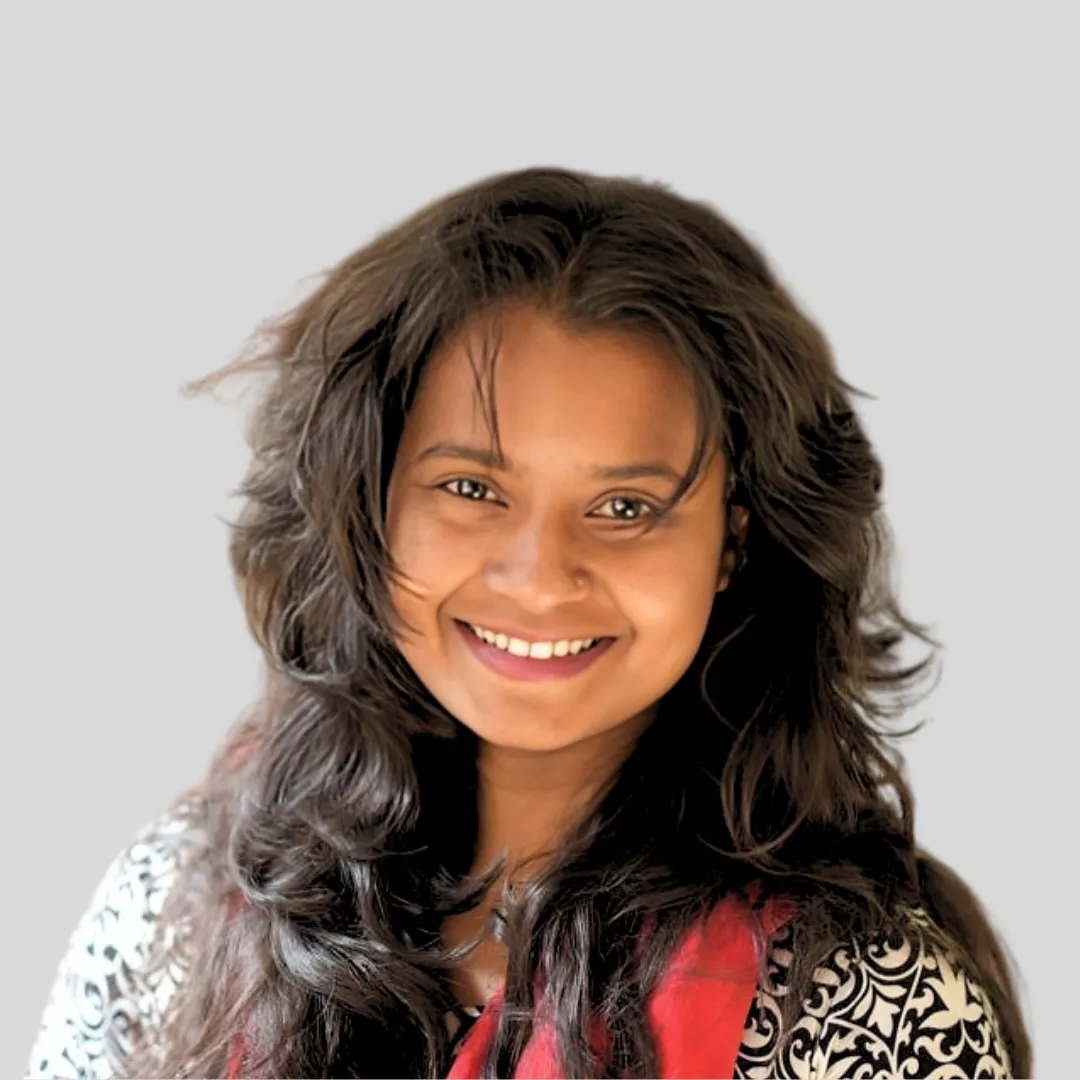
By Fatema Jumki
Chief Executive Officer, GTD Media Production
Some paths in life are carefully chosen, while others are shaped by our experiences, the people we meet, and the circumstances we encounter along the way. Looking back, I feel that my journey has been shaped by a little bit of both.
I was introduced to television and journalism at a very young age. I worked in reporting and documentary production, and along the way, I had the privilege of receiving international recognition, including an Emmy Award—one of the most memorable achievements of my professional life.
At a certain point, however, I stepped away from television and joined the Population Council. I later studied Population Sciences at the University of Dhaka.
Today, when I look back, I realize that I did not fully appreciate the significance of what I was studying at the time. I studied because there were examinations; I sat for the exams and did well. But I did not yet understand how deeply those subjects would eventually become connected to my own life and work.
The Sustainable Development Goals (SDGs), family planning, population growth, coastal communities, livelihoods, and quality of life—these were subjects I studied in the classroom. Today, they are very much a part of the work I do in the real world.
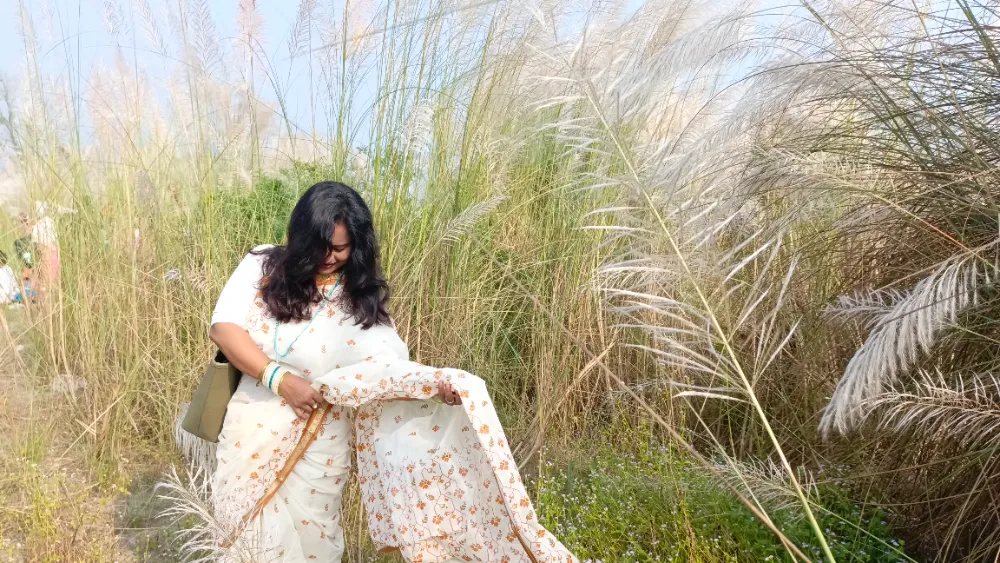
My connection with climate change, in particular, goes back much further.
My hometown is Barguna, a coastal district of Bangladesh. Growing up there, rivers, the sea, storms, cyclones, and the vulnerabilities of coastal communities were all part of my surroundings. Then came Cyclone Sidr in 2007, which left a devastating mark on our region. My own family was personally affected, and I lost relatives in that disaster.
As a result, climate change has never been merely a topic in a report, a statistic, or a discussion at an international conference for me. It is connected to my own life, my memories, and the people I love.
Later, through my work with Population Council, I had the opportunity to spend nearly three years in Satkhira. There, I witnessed firsthand how salinity, climate change, and livelihood insecurity affect people's everyday lives. I came to understand that when a natural disaster ends, people's suffering does not necessarily end with it.
These experiences gradually changed the way I looked at climate change.
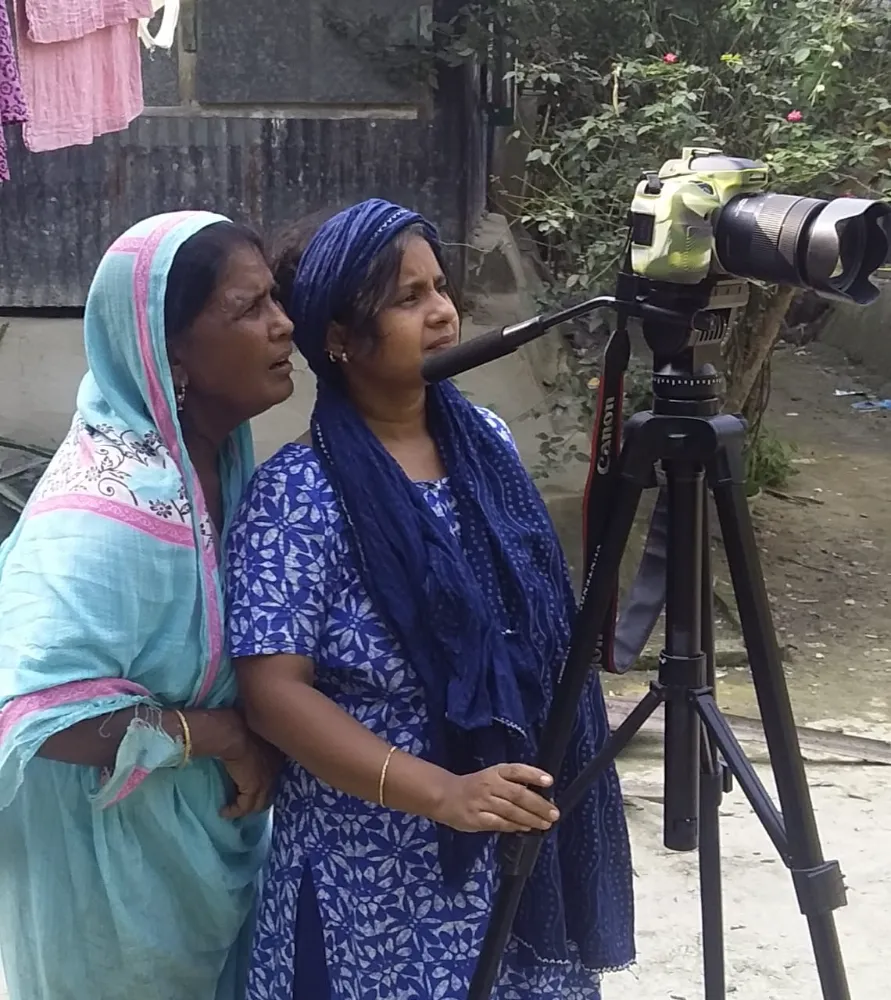
Today, I am the CEO of GTD Media Production, where we work on climate change storytelling, documentary content, and awareness initiatives. Through our work, we try to bring people's experiences to the forefront and tell stories that might otherwise remain unheard.
And this is where my university education repeatedly comes back to me.
Whenever I work on a story, I find myself thinking again about the very issues I once studied: How many people live in these communities? What do they depend on for their livelihoods? How is climate change affecting them? Why is a fisherman leaving his profession? Why is a family moving to Dhaka? Why is someone taking the risk of going abroad in search of a better life?
At those moments, I realize that the subjects I studied at the University of Dhaka were never simply academic subjects. They were ways of understanding people, society, the environment, and the future.
The situation of coastal fishermen, in particular, concerns me deeply.
We all depend on the sea and rivers for an important part of our food supply. Yet the people who go into those waters to bring fish to our tables often face enormous risks themselves.
If we want them to continue their profession, we must ensure their safety and dignity. They need access to reliable weather information and early warnings, safer boats, communication systems, insurance and social protection, and other forms of livelihood security. At the same time, those who can no longer continue fishing need opportunities for alternative and dignified livelihoods.
A one-time relief package—a small amount of money, some rice and lentils, or temporary shelter—may help a family survive for a short period. But it does not necessarily provide a sustainable future.
Climate action must therefore go beyond disaster relief. It must protect people's lives, livelihoods, dignity, and long-term future.
Today, I sometimes think that if I had understood the deeper meaning of my studies back then, I might have approached them differently. Perhaps I would have studied with greater curiosity and purpose.
Maybe I did take some shortcuts as a student. I studied when I needed to, prepared for examinations, passed them, and moved forward. But life has a beautiful way of bringing us back to the lessons we once took for granted.
Today, every time I develop a climate story, speak to a coastal community, or try to understand how climate change is transforming people's lives, I find myself revisiting the knowledge I gained at the University of Dhaka.
The population studies, the work with Population Council, my experiences in coastal Bangladesh, and my work today through GTD Media Production may seem like separate chapters of my life. But when I look closely, I realize that they are all connected by one central theme: people.
People, their lives, their choices, their vulnerabilities, their resilience, and their hopes for a better future.
For me, the University of Dhaka is therefore more than the name of an institution. It represents a significant chapter of my life—one whose true importance I may not have fully understood at the time, but whose lessons I continue to rediscover through my work every day.
Perhaps that is one of the most beautiful things about education:
Sometimes it takes years for us to understand what we have learned. And one day, when we look back, we realize that those very lessons have been guiding the path we are walking today.